

CUCINA AGRICOLA - agricultural Cuisine
CUCINA AGRICOLA: THE MOTHER CUISINE
A Manifesto of Method, Origin, and Absolute Respect
The Unrecognized Pact with the Land Cucina Agricola (Agricultural Cuisine) is not a new invention or a fleeting culinary trend; it is the formalization of a philosophy that has always existed as the living practice of ethical sourcing. While terms like "farm-to-table" have often become broad definitions for a passive transaction, Cucina Agricola represents a deeper, more rigorous methodology—the Mother Cuisine. It is a way of thinking and cooking based on one essential belief: Absolute Respect for Time, Nature, People, and Raw Materials.
Crucially, this is the philosophy that previous terms aspire to fully realize. It is the universal foundation of a kitchen that starts not with the recipe, but with the product's genetic heritage and the collective wisdom that guides the provider, from the soil to the sea.
The Soul: The Mother-Chef The foundation of this practice lies in the figure of the Mother-Chef. Historically, these women—the mothers and grandmothers of our culinary traditions—established the truth that an ingredient is "naked" until it receives care, patience, and transformation. Before the modern concept of the professional chef, the Mother-Chef acted as the Master of the Origin.
She understood the entire life cycle of the product, recognizing that flavor is inseparable from nutritional density and ethical care. Her kitchen was not one of technical ego, but of substance and profound intuition. The core lesson of the Mother-Chef is that technique is useless without the emotional memory of flavor, and that respecting the product's integrity is the first step toward true nourishment.
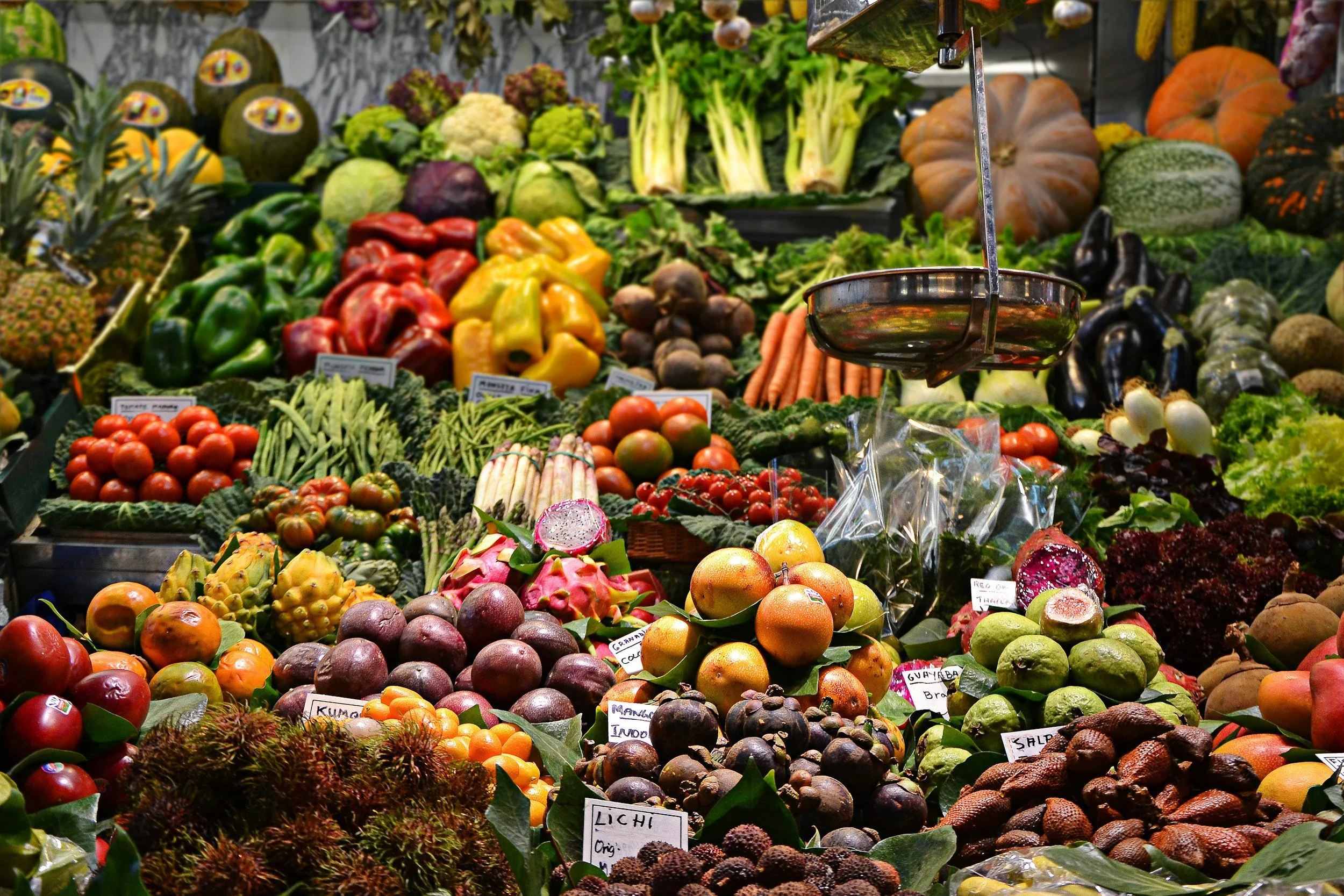
The System: The Country Restaurateur and Global Excellence If the women provided the soul, the Country Restaurateur built the system of ethical sourcing. Historically, the family restaurant and the farm were a single entity. However, the modern Agricultural Chef operating in a global context recognizes that terroir and tradition make certain products—from Mozzarella di Bufala Campana to aged Parmigiano Reggiano, Radicchio di Treviso, or heritage legumes—irreplaceable.
This is the Global Sourcing Imperative. It is not a compromise on locality, but an extension of the principle of quality. It requires a Strategic Partnership based on absolute transparency across distance. The Agricultural Chef seeks ingredients of excellence where they are born best, ensuring that the excellence of the source is never lost in the logistics of the supply chain.
The Three Pillars of the Agricultural Chef The modern professional embodies this dual inheritance through three non-negotiable operational rules:
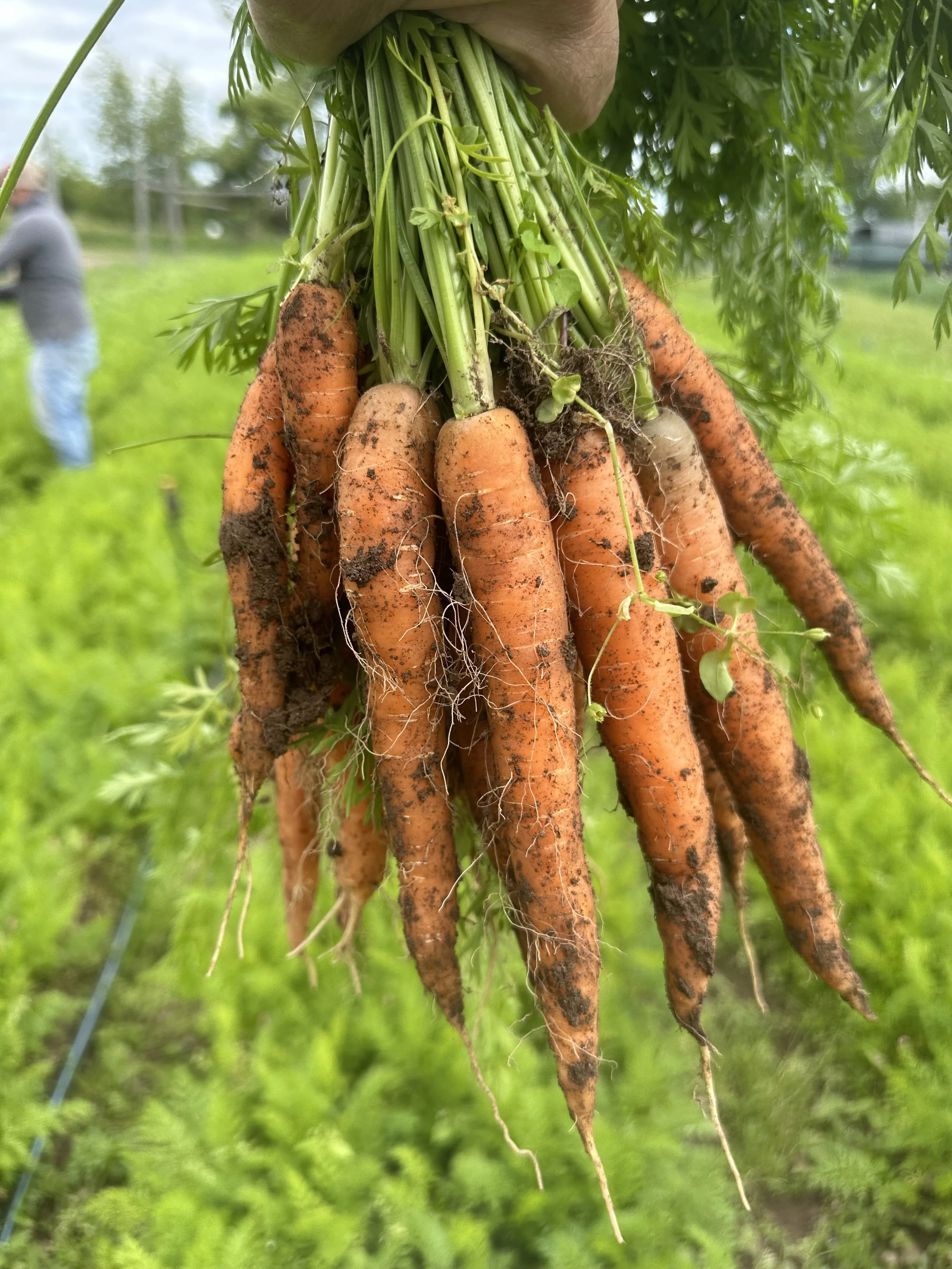
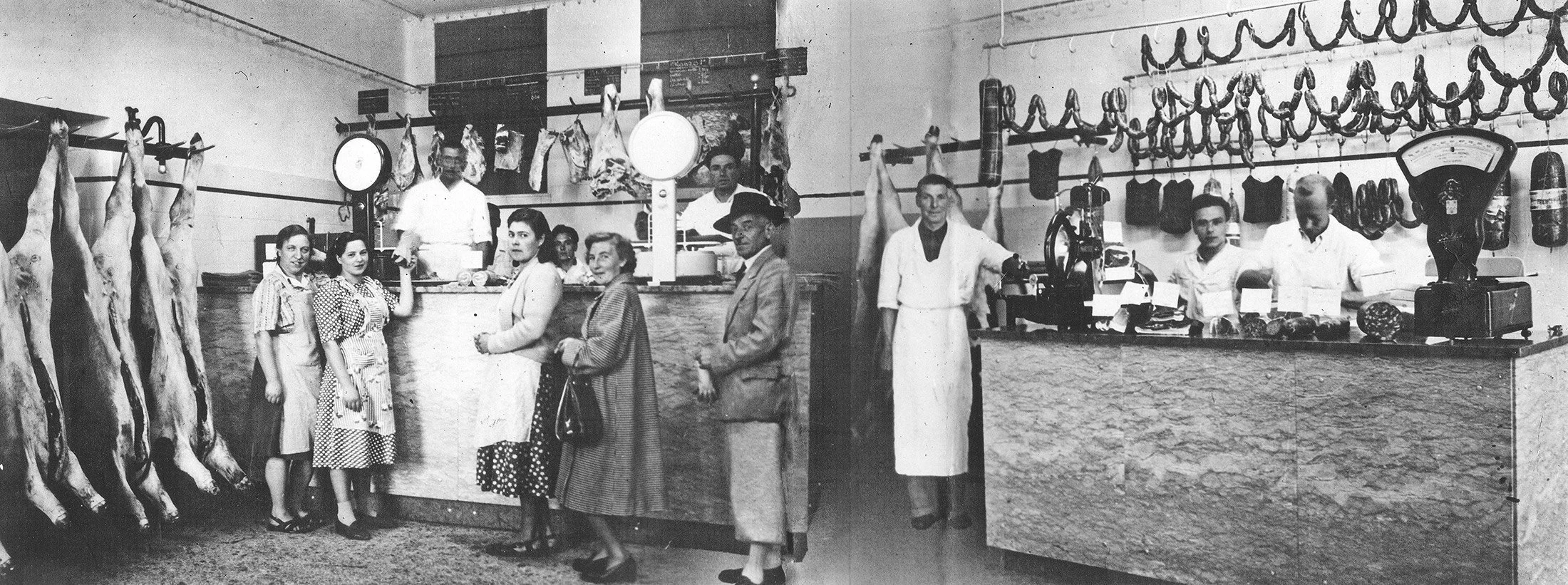
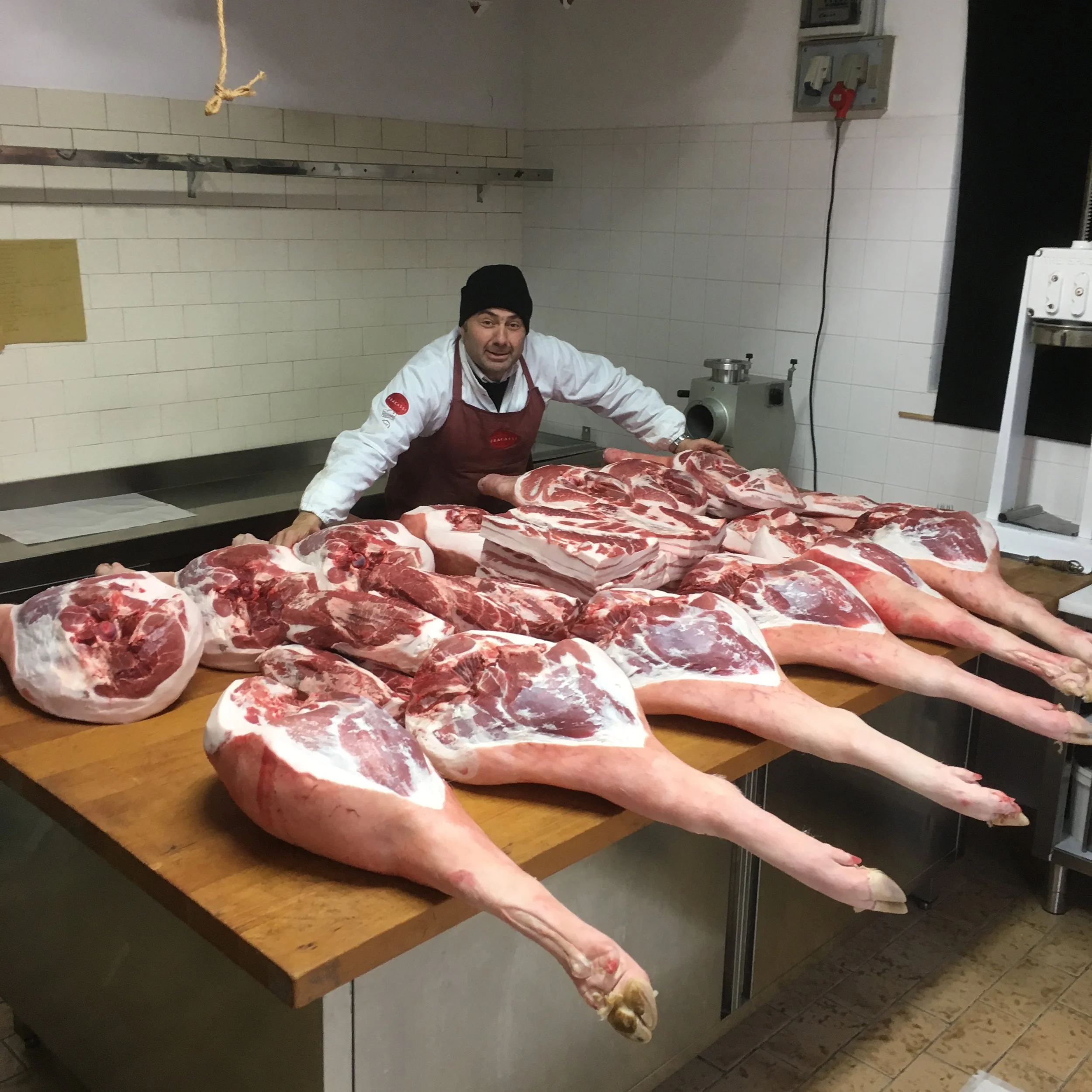
Providers are Partners: Farmers, butchers, and fishmongers are not vendors; they are essential collaborators. This partnership ensures transparency in soil health, animal welfare, and sustainable fishing.
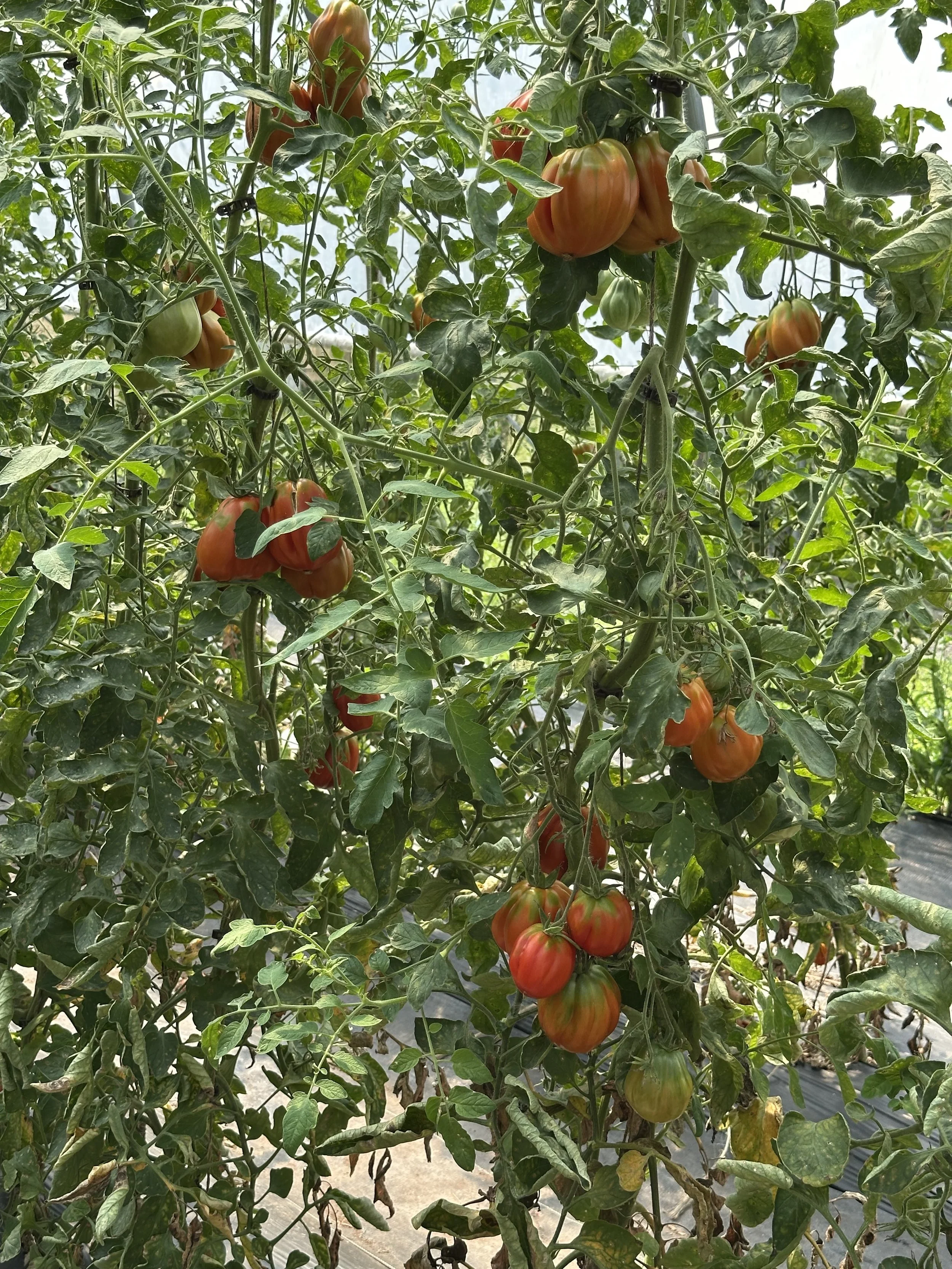
The Harvest is the Executive Chef: The creative process is reversed. The soil, the sea, and the pasture dictate what the kitchen serves. The menu is a translation of the land's current state, prioritizing seasonal peak over convenience.
Respect as an Ethic: Using the entire ingredient—from root-to-leaf and nose-to-tail—is a moral obligation. It is the ethical consequence of respecting human labor, ensuring no part of the product’s inherent nutritional value is discarded.
The Renaissance of the Soil: Technique as Honor The methodology is solidified by a commitment to the Renaissance of the Soil. By acting as guardians of biodiversity—preserving native breeds and ancient plant varieties—we ensure the resilience of our food systems.
In this framework, technique is the ultimate expression of respect. When a chef understands the history and effort behind an ingredient, the use of modern science—from precise thermal control to fermentation—is employed not to manipulate, but to elevate and honor the inherent flavor and structural integrity. The final objective is to establish a measurable standard for the "Agricultural Restaurant," a verifiable template for defining authentic philosophical consistency worldwide.
Conclusion Cucina Agricola is the ultimate synthesis of ethical tradition, sophisticated technique, and modern scientific rigor. It is the necessary foundation for a food system that is sustainable, just, and exponentially more flavorful. It is the blueprint for the future of holistic nourishment.